





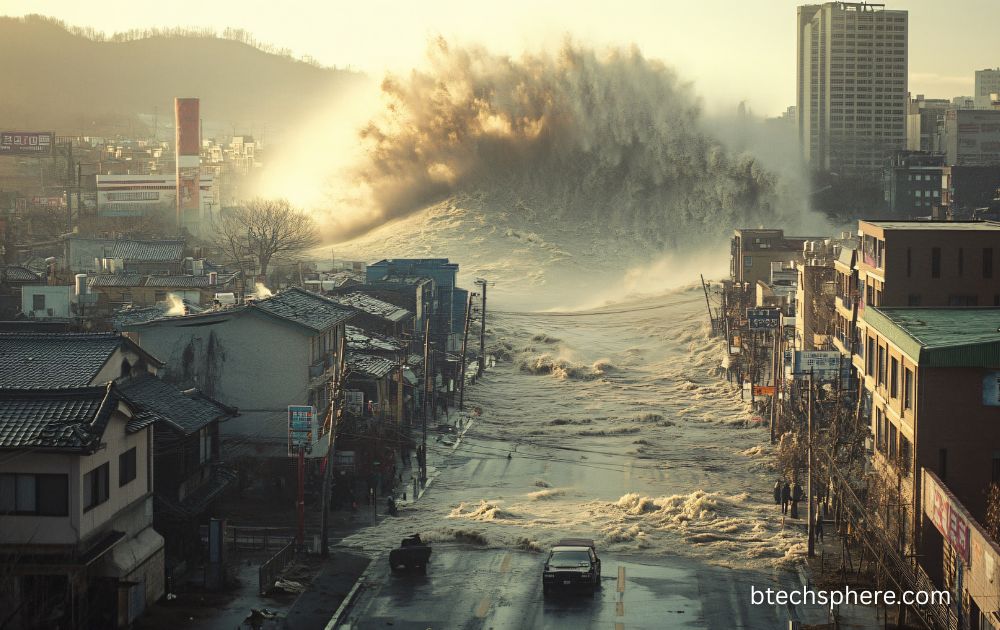
The moment a hurricane, explosion, structural collapse, or large industrial accident hits, time starts moving differently. Those first three days decide how many people are protected, how much damage can be contained, and how quickly a community can get back on its feet. Emergency services handle rescue and medical care, but there is another quiet, equally important side of the response: technical teams racing to map damage and prioritize safety so that every next decision is based on reality, not guesswork. Teams from firms like www.vertexeng.com/ work behind the scenes to ensure that the response is as effective as possible.
Why 72 Hours Is The Golden Window
In the first 72 hours:
- Structures are at their most unstable.
- Lifelines like power, water, communications, and roads may be compromised.
- Leadership must make huge decisions with incomplete information.
This is where detailed field assessments and damage mapping come in. Engineers, construction and environmental specialists fan out to document what is safe, what is not, and what will fail next if no action is taken. Their work feeds directly into local officials, insurers, and business owners who need to decide where to send crews, where to restrict access, and where to start stabilizing.
Fun fact: Some modern disaster response teams use the same mapping techniques found in video game design to build layered models of damaged areas, then simulate how conditions might change over hours and days.
Damage Mapping Turning Chaos Into A Clear Picture
Right after a catastrophic event, everything feels like one big disaster zone. Damage mapping breaks that chaos into a clear, prioritized picture.
From Walking The Site To High Tech Aerial Views
Traditional disaster assessment used to mean clipboards, measuring tapes, and days of walking sites. Today, leading catastrophic response teams combine:
- On the ground inspections by structural, civil, and environmental experts
- Drone and aerial photography to see patterns and access hard to reach areas
- 3D modeling to visualize how buildings, bridges, and other assets are actually behaving
Instead of vague descriptions, decision makers receive layered maps that show exactly where failures occurred, how widespread they are, and which areas connect to critical infrastructure like hospitals, water facilities, and main roads.
Why Good Maps Save Lives And Money
Accurate damage mapping is not just about documentation. It drives smarter priorities:
- Unsafe zones can be quickly cordoned off so people do not wander into danger.
- Repair crews can be deployed to the highest impact locations first.
- Duplicate inspections and wasted site visits are reduced.
Over the life of a recovery project, this upfront clarity can shave weeks off timelines and prevent costly mistakes, such as sending construction crews into areas that later turn out to be structurally unsound.
Safety Prioritization Putting People Ahead Of Property
After a catastrophic event, the instinct is often to rush in, save what you can, and get back to business. The best responders do something different. They slow down just enough to put a safety filter on every decision.
Triage For Buildings And Infrastructure
In medicine, triage means ranking patients by urgency. In disaster engineering, the same idea applies to buildings, industrial assets, and infrastructure. Each structure is categorized, for example:
- Unsafe: no entry, high risk of further collapse or hazardous exposure
- Restricted: limited, controlled entry with safety procedures
- Safe with conditions: can be used after specific actions or monitoring
This safety triage protects not only the public but also the very people hired to fix the damage.
Fun fact: In some large events, more injuries have occurred during cleanup and repair than during the original incident, which is why professional responders are so strict about controlled access and safety zones.
Protecting Responders So They Can Protect Everyone Else
Firefighters, utility crews, insurance adjusters, contractors, and inspectors cannot do their jobs if they are walking into unknown risks. Early, expert safety prioritization means:
- Hazards like unstable debris, live electrical lines, gas leaks, and contaminated materials are flagged fast.
- Personal protective equipment (PPE) and procedures are matched to the real conditions on site.
- Work plans are sequenced so no one is working beneath precarious structures or next to unassessed equipment.
The result is a safer, calmer response where everyone knows the rules of engagement and can focus on doing good work, not guessing what might happen next.
How Specialized Catastrophic Response Teams Change The Outcome
Behind many successful recoveries there is usually a specialized consulting team that lives and breathes catastrophic response. These are the people who turn up with hard hats, tablets, and a clear plan when everyone else is still trying to figure out where to start.
Right from the first hours, they can:
- Mobilize engineers, construction experts, and environmental professionals to the scene
- Set up standardized data collection, photos, and notes so every site is documented the same way
- Build live damage maps that update as new inspections come in
- Advise owners, insurers, and public officials on what is safe to enter and where immediate stabilization is needed
Because they have managed countless major events, they bring playbooks that have already been tested in the real world. That means fewer surprises, fewer blind spots, and more confidence in each decision.
Preparing Now So Your First 72 Hours Are Not Guesswork
No one can prevent every disaster. But organizations can absolutely decide how prepared they want to be for those first 72 hours.
Practical Steps To Take Before Anything Happens
Even before an incident, businesses and property owners can sit down with catastrophic response specialists to:
- Identify their most critical assets and infrastructure dependencies
- Create a basic damage mapping and inspection plan in advance
- Decide who will have authority to approve restricted access and safety zones
- Set expectations for how quickly a professional team can mobilize when needed
Having that relationship and plan in place means that if the worst happens, you are not scrambling for phone numbers or trying to invent a process in the middle of chaos. Instead, you already know who is coming, what they will do, and how the information will flow.
Fun fact: Some firms periodically run mock disaster drills with their clients, complete with fake reports and scenario based damage maps, to stress test communication and decision making in a low risk environment.
In a catastrophic event, there is no way to make the first 72 hours easy. But with expert damage mapping and disciplined safety prioritization, they can be focused, purposeful, and as safe as possible. Partnering with a dedicated catastrophic response team long before you ever need them is one of the smartest risk management moves a business, property owner, or insurer can make.