





When it comes to creating stunning spaces, both in commercial and residential projects, glass features have taken center stage. Curtain walls, glass railings, and partitions are not just functional elements; they bring a modern aesthetic that can transform any environment. Imagine expansive views through floor-to-ceiling windows or sleek dividers that maintain an open feel while providing privacy. These architectural solutions seamlessly blend beauty with practicality.
Whether you’re designing a high-rise office building or a cozy home renovation, the choices you make about incorporating glass can significantly impact the overall appeal of your space. Let’s dive into these striking design elements and explore how they can elevate your project to new heights.
Benefits of Using These Glass Features in Commercial and Residential Projects
- The integration of curtain walls, glass railings, and partitions brings a modern aesthetic to both commercial and residential spaces. These features create a sense of openness and lightness that traditional materials can’t replicate.
- Natural daylight floods interiors through expansive glass walls, reducing reliance on artificial lighting. This not only enhances energy efficiency but also boosts mood and productivity for occupants.
- Glass railings provide safety without sacrificing views. They blend seamlessly with architecture while allowing unobstructed sightlines ideal for balconies or staircases where visibility is key.
- Partitions made from glass offer flexibility in layout design. They enable the creation of private spaces while maintaining an airy atmosphere. Businesses benefit from adaptable environments that encourage collaboration yet allow for individual focus when needed.
- Using these elements elevates property value too. Buyers often seek out contemporary designs that emphasize sophistication and comfort, making properties equipped with such features more attractive in competitive markets.
Types of Curtain Walls, Glass Railings, and Partitions
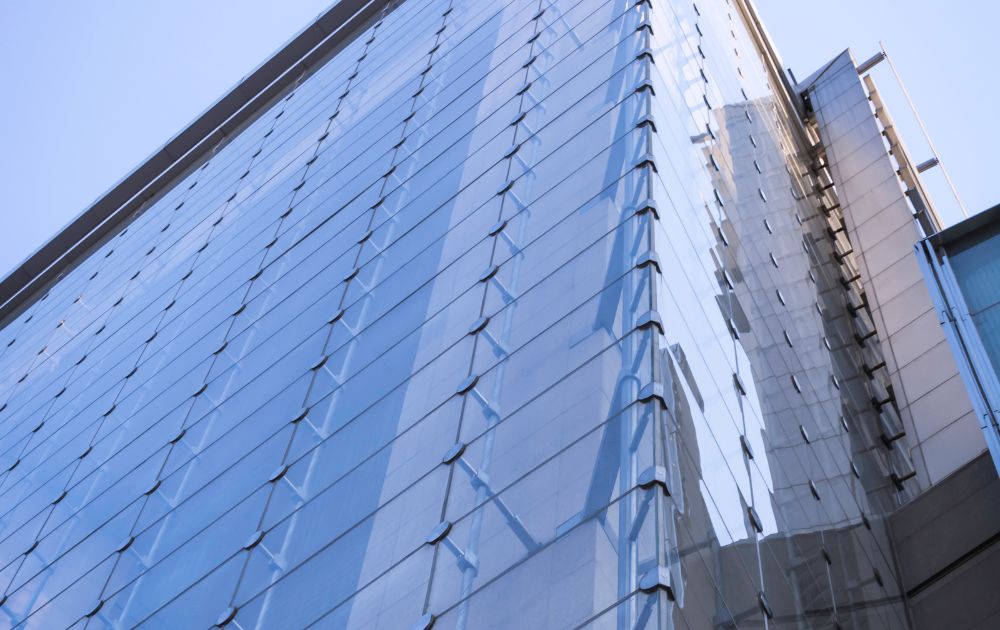
Curtain walls come in various types, each offering unique benefits. Stick vs unitized curtain wall consist of vertical and horizontal components assembled on-site. This method allows for flexibility in design but can be more labor-intensive.
Unitized curtain walls differ by being pre-fabricated in sections or panels off-site. This approach speeds up installation and reduces weather-related delays during construction.
Glass railings provide a modern aesthetic while ensuring safety. They are available as framed, frameless, or semi-frameless options, allowing customization to fit the project’s style.
Partitions made from glass serve both functionality and aesthetics. Some popular types include operable partitions that allow spaces to be adjusted with ease and fixed glass partitions for permanent separation without compromising light flow.
Each type enhances commercial or residential projects differently, contributing to overall architectural beauty and practicality.
Factors to Consider When Choosing the Right Glass Feature for Your Project
Choosing the right glass feature for your project involves several key considerations. First, think about the purpose of the space. Are you looking to create an open feel or provide privacy?
Next, evaluate aesthetic preferences. The design should complement the architecture and interior style, whether it’s sleek modern or cozy traditional.
Another crucial factor is safety. Check local building codes and standards to ensure compliance with regulations regarding glass thickness and type.
Consider energy efficiency as well; insulated glass can help reduce heating and cooling costs in both commercial and residential spaces.
Installation Process and Cost
The installation process for curtain walls, glass railings, and partitions varies based on the specific type. For instance, stick systems require careful assembly on-site. This involves framing each section before attaching the glass panels.
On the other hand, unitized systems are pre-fabricated in a factory setting. This can significantly speed up installation time as entire sections are simply hoisted into place.
Costs fluctuate widely depending on materials and project scale. Stick systems tend to be more labor-intensive; thus, they may have higher overall costs due to increased labor hours. Unitized systems typically involve a larger upfront investment but can save money long-term with faster installations.
Maintenance Tips for Long-Lasting Glass Features
Regular cleaning is essential for maintaining the brilliance of glass features. Use a soft cloth or sponge with a non-abrasive cleaner to avoid scratches. Avoid harsh chemicals that could damage the surface.
Inspect seals and joints periodically. Damaged seals can lead to leaks, which may compromise structural integrity over time. Address any issues promptly to prevent bigger problems down the line.
Keep an eye on your glass railings and partitions for signs of wear or discoloration. Even small chips can become larger if left unattended.
Consider seasonal maintenance checks, especially in climates with extreme weather conditions. Temperature fluctuations might affect installation tightness and performance.
Always consult professional services when repairs are needed. They have the expertise required to ensure safety and longevity without risking further damage.
Case Studies
Case studies provide valuable insights into how curtain walls, glass railings, and partitions can transform spaces. One prominent example is the implementation of a unitized curtain wall system in a modern office building. This project illustrates the aesthetic appeal and energy efficiency that such systems offer. The sleek design not only enhances the building’s exterior but also allows for increased natural light within.
Another noteworthy case involved glass railings in a residential high-rise. Here, safety was paramount while ensuring unobstructed views of the surrounding cityscape. The choice to use tempered glass added security without sacrificing style a perfect combination for urban living.