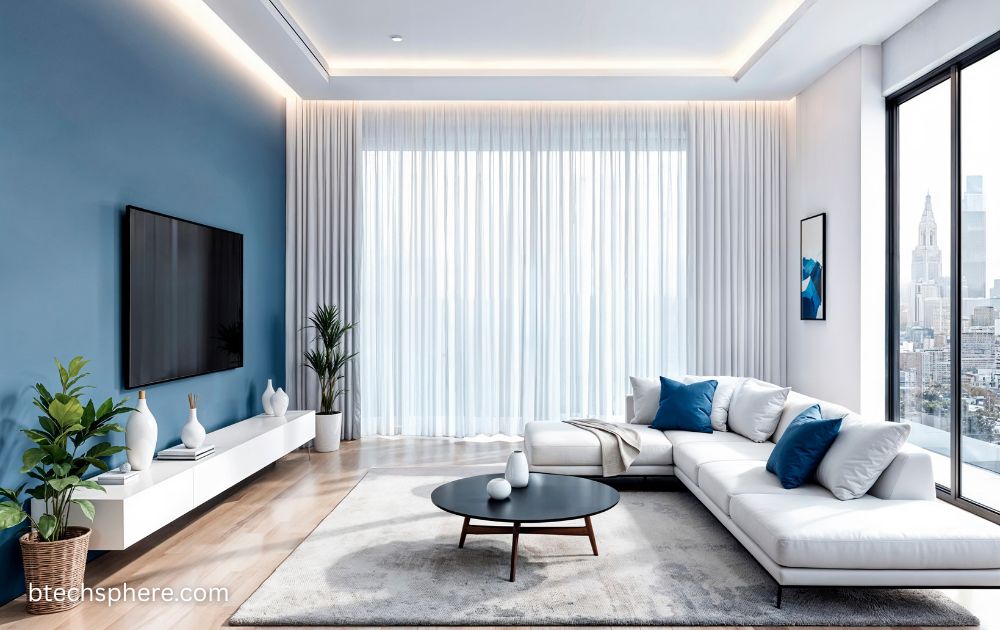
From Blank Room To Dream Home
There is a special kind of frustration that comes from standing in a room that has furniture, paint, and curtains, yet somehow feels lifeless. Everything is technically “fine”, but the space does not feel like you. It might feel echoey, cluttered, or just bland. Turning that kind of room into a place that feels warm, personal, and pulled together is not about buying more stuff. It starts with a clear vision of how you want to live and a plan to make that vision real, which is why so many people go looking for interior designers with good reviews when they are ready for a real change.
Once you look a little closer, you start to see that the problem is rarely just one ugly sofa or one blank wall. It is usually the whole story of the room. The lighting feels harsh at night, the seating is pointed in random directions, and storage is squeezed into whatever leftover space is available. You might even have beautiful pieces that you love, but without a plan to connect them, they never quite add up to the feeling you want when you walk through the door.
At that point, many people realize they do not just need help picking pillows. They may want to open a wall, rework a cramped kitchen, or steal unused space from a hallway to make room for a home office. The moment you start changing the structure, you are no longer working with decor alone; you have stepped into remodeling territory. That is where it becomes incredibly helpful to look at teams that handle design, planning, and building together, the way firms like http://www.tenkeyremodels.com do, so the vision and the construction stay in sync from the first sketch to the final walk-through.
Seeing The Room As A Story, Not A Storage Unit
Before a single piece of furniture moves, it helps to think about your room as a story instead of a storage container. A story has a mood, a main character, and a rhythm. Your room has those things too, even if they are not obvious yet. You are the main character, and your habits and preferences shape the plot far more than any trend online.
You can start by asking what kind of scene you want to step into every day. Maybe you imagine a quiet reading nook that feels like a little retreat from the rest of the house. Maybe you want a social living room where people naturally gather and conversations last longer than the battery life of a phone. Once you name that feeling, it becomes easier to see what belongs in the space and what does not.
When you treat the room as a story, you also notice how visitors move through it, where their eyes land first, and what feels inviting versus what feels awkward. That perspective is powerful because it lets you edit. Instead of thinking, “Where can I cram another storage piece?” you start thinking, “What helps this story, and what pulls me out of it?”
Turning Feelings Into A Real Plan
After you have a sense of how you want the room to feel, the next step is turning those feelings into a concrete plan. This is where many projects stall, because it is easy to get lost in a flood of images and never commit to anything. A simple way to avoid that is to move from vague ideas to clear decisions in stages.
First, you make peace with the reality of the space. That means measuring, noticing where the light comes in, and being honest about any tight corners or low ceilings. Instead of fighting these features, you start exploring how to use them. A low ceiling can feel cramped if you paint it wrong, or it can feel cozy with the right color and lighting. A long, narrow room can feel like an awkward hallway, or it can become a dramatic, gallery-style space if you plan it properly.
Then you connect the practical side to your daily routine. If you drop bags and keys in the same spot every day, you plan a landing zone there. If you always curl up in the same corner to read, you invest in a really comfortable chair and lighting for that spot. The plan stops being an abstract diagram and becomes a map for how you will actually live in the room.
Finally, you translate that map into finishes and furnishings. Colors, fabrics, textures, and materials become tools, not random impulses. You choose them because they serve the feeling you want and the way you live, not just because they look good in a photo.
Why Design And Remodeling Belong In The Same Conversation
It is tempting to think you can fix everything with a new sofa and some paint, but sometimes the room is working against you behind the scenes. Maybe the kitchen is cut off from the rest of the home, the dining room feels stranded, or there is a beautiful window that is blocked by a wall. In cases like these, design decisions and remodeling decisions are deeply connected.
When you talk about design and remodel together, you have a chance to solve problems at the source. Instead of buying smaller furniture to squeeze into a narrow space, you might realize that shifting a doorway would free up an entire wall. Instead of fighting a dark corner with brighter bulbs, you might decide that adding a new opening or a different layout will bring in natural light.
Another advantage of combining these conversations is the way it protects your budget. If you design the space first and then ask someone to “make it work” structurally, you can run into expensive surprises. When the people planning the look of the room understand how much structural changes cost, they can recommend smart adjustments that keep both the vision and the budget intact. That kind of unity often leads to projects that finish closer to their original price and timeline.
Making Room For Real Life
The most beautiful home in the world does not work if it collapses under normal daily life. A dream room that looks perfect in photos but feels fragile, cluttered, or high maintenance will slowly start to feel like a burden. The goal is not to create a museum. It is to build a space that can handle morning chaos, late-night snacks, and everything in between.
That is why storage, durability, and maintenance belong in the conversation early. It is not boring to talk about where the mail goes or how easy that white sofa will be to clean. Those choices decide whether your home supports your life or constantly asks you to be more careful than you really are.
A genuinely livable dream home has room for imperfect moments. It has hidden storage where you can quickly tuck things away, surfaces that can handle spills, and lighting that flatters people even when they are tired. When design decisions respect the realities of your routine, you end up with a home that you love looking at and love using.
Taking The First Step From Blank To Beautiful
The jump from a blank, awkward room to a finished dream space can feel huge, which is why a lot of people never start. The trick is to shrink that jump into a series of small, manageable moves. You do not need every answer on day one. You just need the courage to begin.
Start by clarifying how you want to feel when you enter the room, then write down what is getting in the way of that feeling. Decide whether you are dealing with a mostly cosmetic problem or if the space itself needs to change. From there, you can choose whether to bring in professional help or tackle a phased project on your own, beginning with layout and lighting, then moving into finishes and furniture.
With each decision made in the right order, the room slowly shifts from frustrating to inviting. Over time, the empty corners fill with purpose, the light feels softer and more intentional, and the space starts to carry your personality instead of a random collection of purchases. That is the real magic of turning a blank room into a dream home. It is not a single grand gesture; it is a thoughtful sequence of choices that quietly shape a place you are proud to live in.
Are you craving more? For new content, see my website.