Recover Faster And Feel Better: Smart Pain Relief At Home After Surgery
Coming home after surgery can feel amazing at first. Your own bed, your own pillow, your own TV. Then the pain meds start to wear off, everything aches, and even getting up for a glass of water feels like a project. The good news is that with the right plan, support from post surgery home care services that provide help for daily needs during healing, and a little creativity, you can stay comfortable and give your body what it needs to heal safely.
Set Up A “Comfort Zone” Before The Pain Kicks In
Before you leave the hospital, assume that future you will be tired, sore, and moving slowly. Preparing a comfort zone now saves you a lot of frustration later. Clear pathways, set up a cozy chair with pillows, keep your phone charger, water, snacks, and medications within arm’s reach. Post surgery home care services often help families do a quick “safety check” of the home, suggesting small adjustments that make a big difference, like raising a favorite chair with cushions or adding a nightlight to keep you from bumping into furniture at 2 a.m.
Work With Your Pain Meds, Not Against Them
Most surgeons send you home with a pain management plan. Follow it exactly as prescribed. Taking pain medicine on schedule usually works better than waiting until the pain is already intense. If you have home care nurses or aides, they can help you stay on track, watch for side effects, and notice if something seems off so you can call your doctor early instead of toughing it out.
Everyday Comfort Tricks That Actually Help
Small, simple changes can make a surprising difference in how you feel day to day. Paying attention to your body’s signals and making gradual adjustments can keep discomfort from flaring up into something that ruins your whole day.
Ice, Heat, And The Power Of Pillows
Unless your doctor says otherwise, cold packs are often helpful in the first few days to reduce swelling, while gentle heat later on can relax sore muscles. Always protect your skin with a cloth and follow the timing your doctor recommends. Pillows are your new best friends: tuck them under your knees, behind your back, or under your arms to support the surgical area and relieve pressure. Home care professionals are great at finding the “just right” position for sleep or TV time so you are not constantly shifting around trying to get comfy.
Move A Little So You Heal A Lot
It sounds unfair, but resting all day can actually make you feel worse. Short, gentle walks around the room or down the hall can improve circulation, reduce stiffness, and support your recovery. If your surgeon or physical therapist has given you specific exercises, stick with them. A good post surgery home care provider can remind you to move safely, walk beside you for balance, and keep an eye out for signs that you are overdoing it.
When A Clean House Becomes Part Of Pain Management
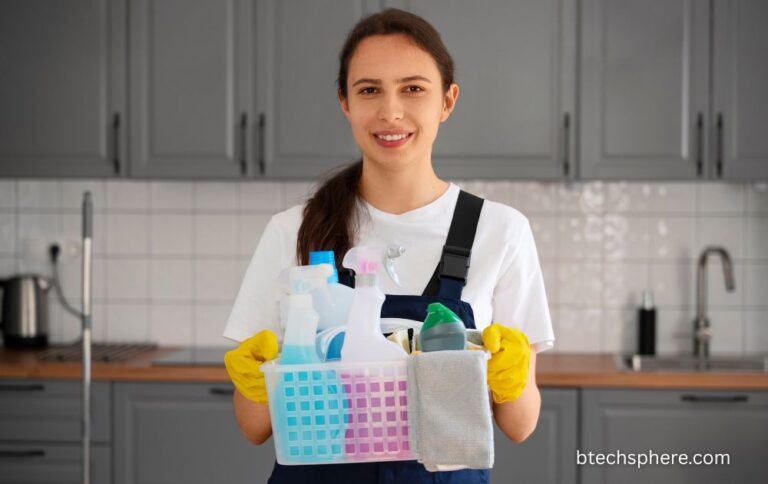
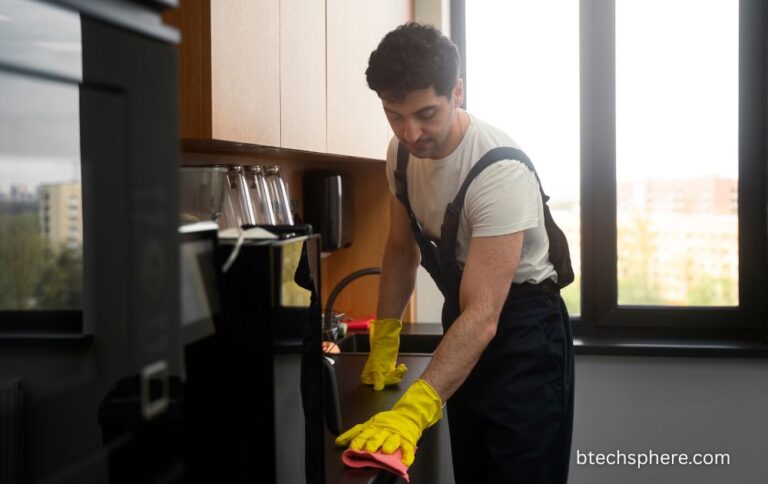
One thing many people do not expect is how much bending, lifting, and twisting hides inside everyday chores. Vacuuming, scrubbing the shower, changing bed linens, and hauling laundry baskets can quickly trigger pain after surgery. This is where professional home cleaning services, contact Zen Home Cleaning, Manhattan, can quietly become part of your recovery plan. By having trusted cleaners handle the heavier and more repetitive tasks, you reduce the risk of straining your incision or aggravating sore muscles just to keep things tidy. A fresh, dust free home also helps your mood, helps you find things more easily, and can reduce tripping hazards that appear when clutter builds up. Imagine being able to focus on healing while someone else keeps the bathroom sanitized, the kitchen counters wiped, and the floors free from crumbs and pet hair. Many people find that arranging a few weeks of cleaning support around their surgery date is not a luxury but a smart safety choice, especially when combined with post surgery home care that focuses on your personal needs, medications, and mobility.
How Home Care Services Make Recovery Less Stressful
Recovering is not just about what hurts. It is also about what stresses you out. Worrying about meals, bathing, changing dressings, or remembering when to take each pill can increase anxiety, which often makes pain feel worse. Having home care support can ease that mental load.
Help With Personal Care And Daily Tasks
Simple things like showering, getting dressed, or climbing stairs can feel intimidating after surgery. Home care aides are trained to help you bathe safely, use mobility aids, and move around without putting too much pressure on your healing body. They can prepare light meals, refill water, and help with small household tasks so you are not tempted to “just do it yourself” and accidentally push too hard.
A Second Set Of Eyes On Your Recovery
Another big benefit of post surgery home care is having someone who knows what normal healing looks like and what might be a red flag. They can help you monitor swelling, bruising, temperature, and incision changes, then encourage you to contact your surgeon if something seems unusual. Sometimes catching an issue early means preventing a much more serious complication.
Staying Positive While You Heal
Recovery can feel slow when you are living it day by day. Some mornings you wake up feeling great, and the next day everything hurts again. That is normal, but it can be discouraging if you do not expect it. Staying connected with friends and family, keeping small daily goals, and celebrating tiny wins, like walking a little farther or needing a bit less pain medication, can keep your spirits up. Here is a fun fact you can share with your support team: studies show that laughter and good company can actually change the way your brain processes pain, helping you feel more comfortable and in control of your healing journey.
Are you craving more? For new content, see my website.